Research and development
Life cycle assessment and carbon methodology: what is not measured does not get funded
Research is at the heart of our mission: creating sustainable, innovative building solutions, and proving it.
We advance eco-construction techniques that reduce environmental impact while improving the quality and adaptability of buildings, especially in remote areas. Our approach rests on three pillars that feed into one another.
Feasibility studies
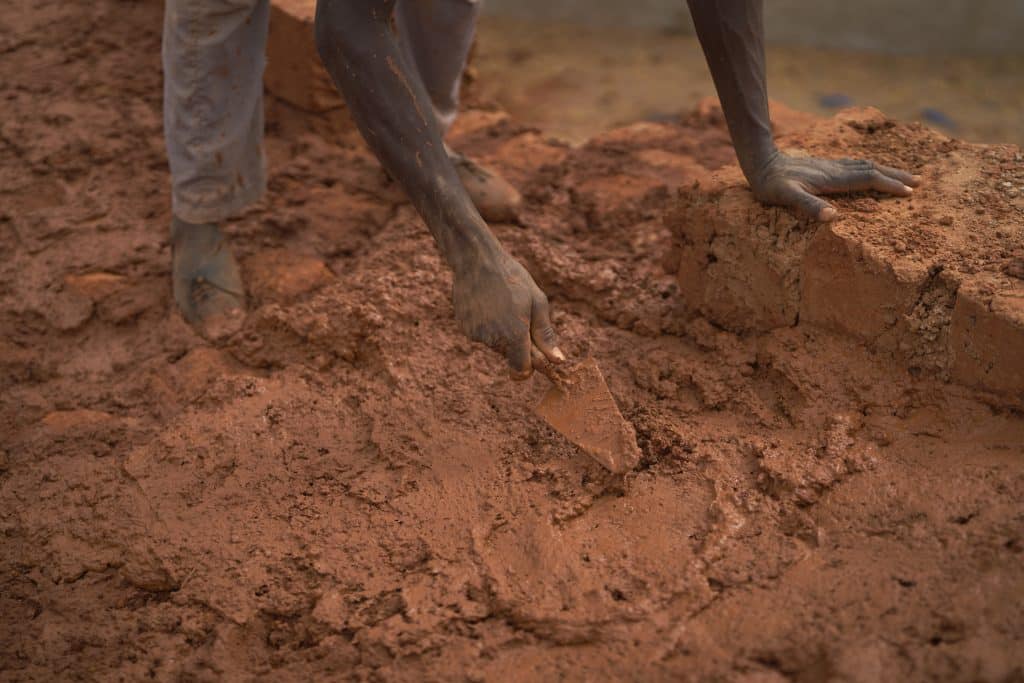
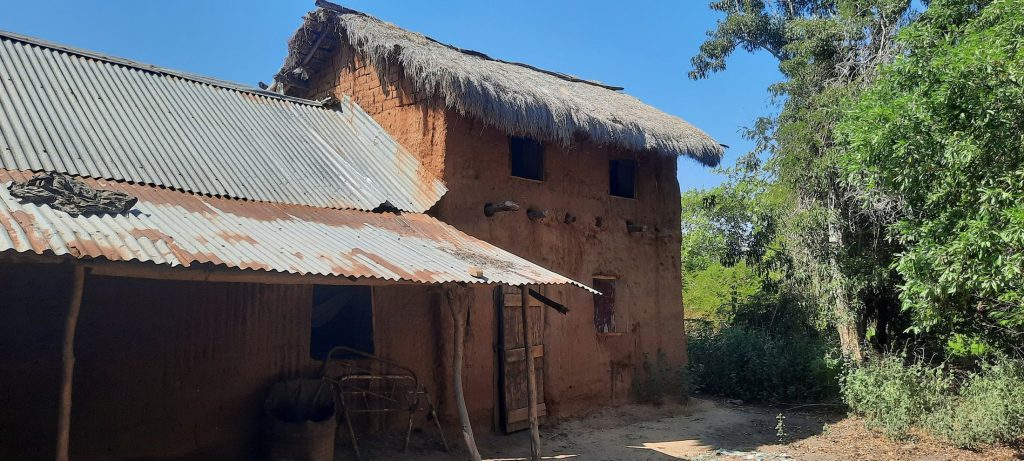
We analyse the socio-economic and environmental conditions of an area to assess the viability and scalability of eco-construction techniques: market studies, desk research, supply-chain mapping.
Impact assessment
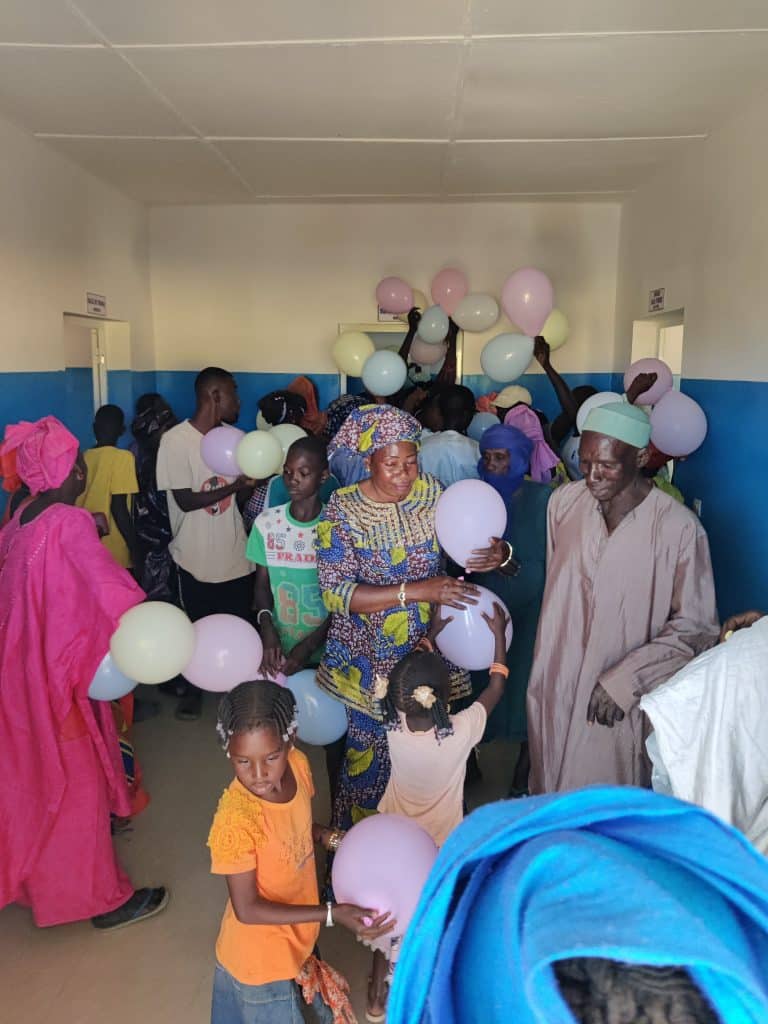
Life cycle assessment of each technique, from material extraction to handover; economic impact, cost, jobs and lasting benefits; analysis of strengths and weaknesses to improve our methods.
Technical development
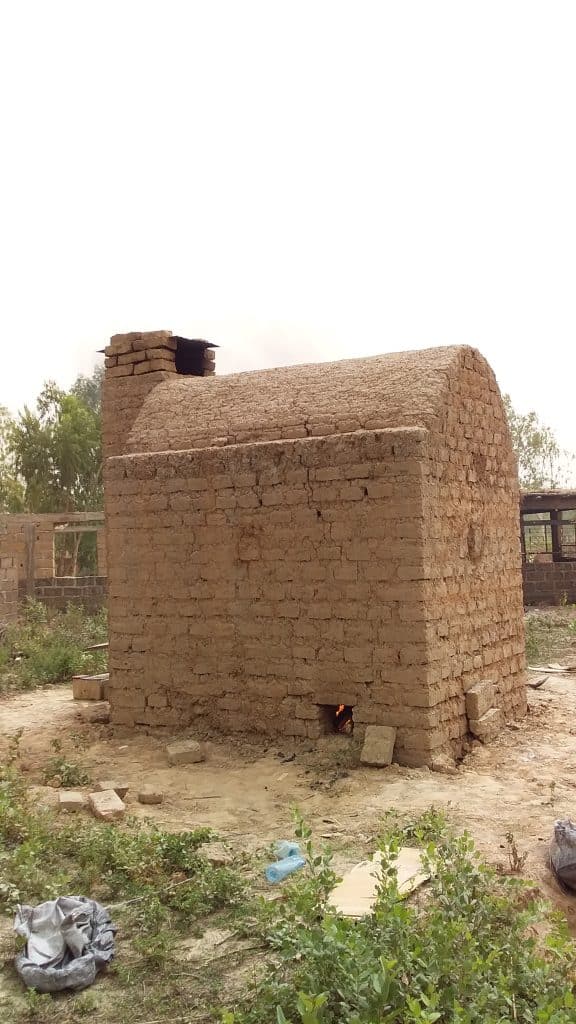
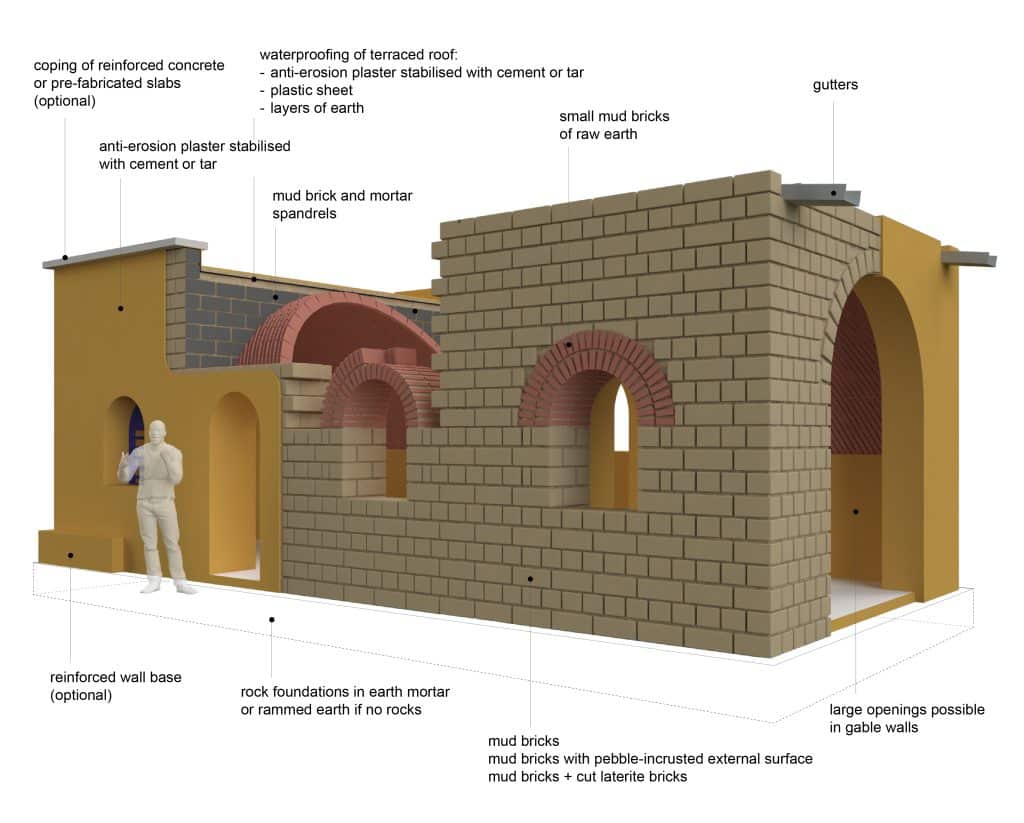
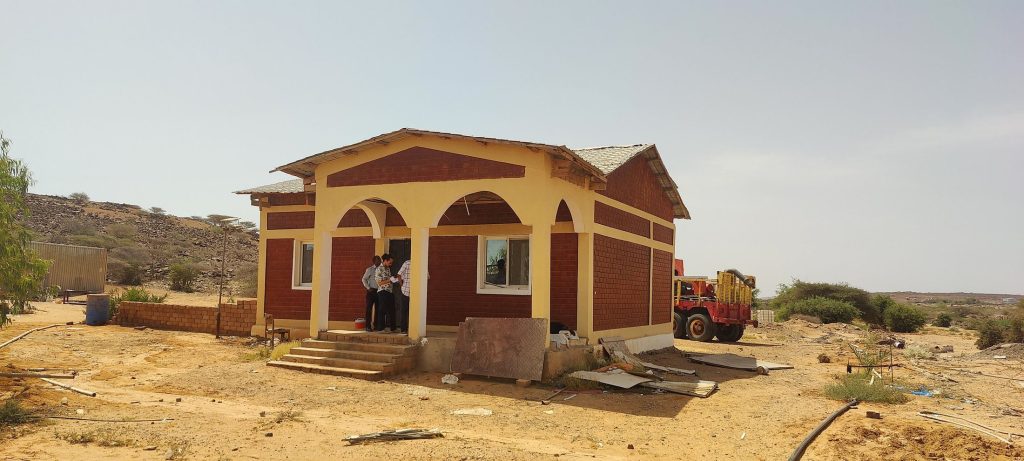
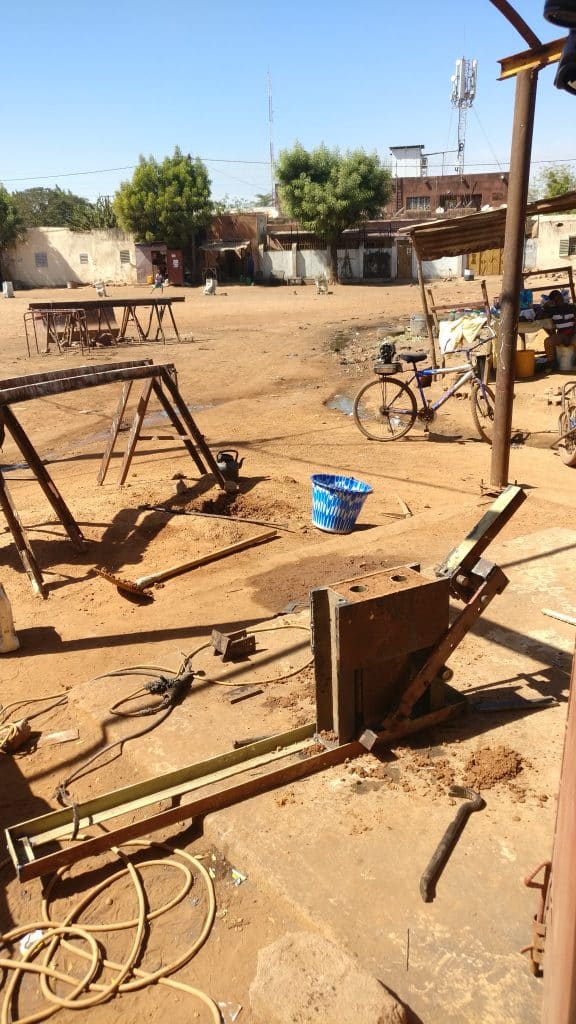
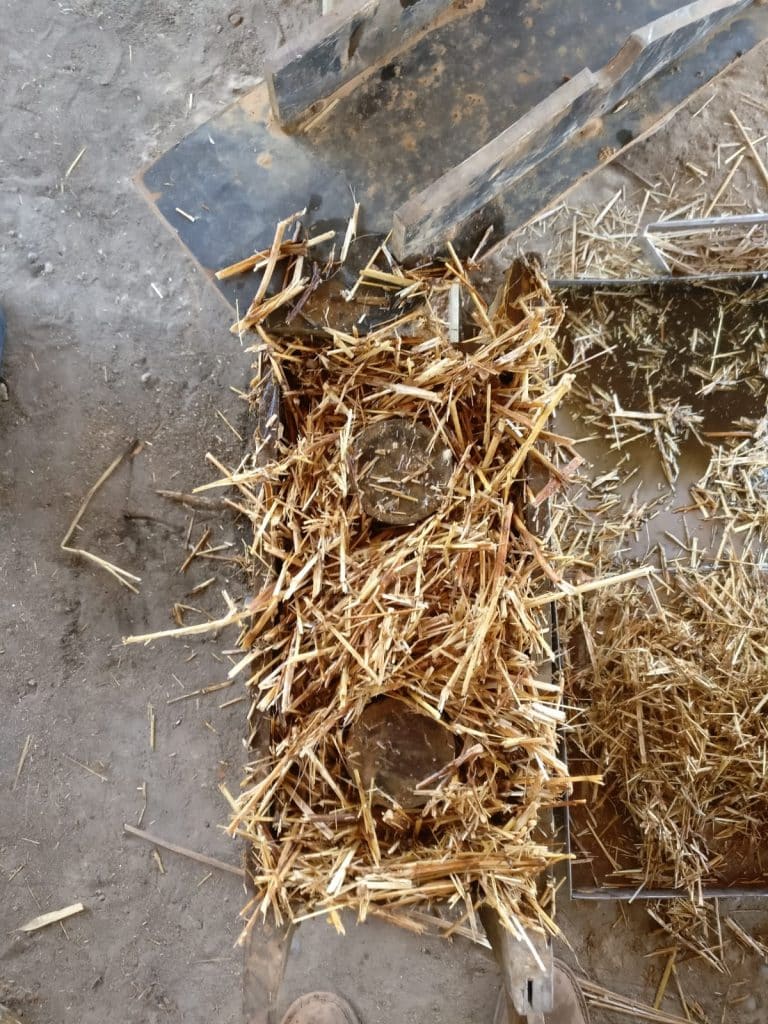
Improving structural, architectural and environmental performance; low-carbon bio-based materials; prototypes and tests to scale up without losing accessibility.
Why measurement is the bottleneck
What is not measured does not get funded.
The donor
that funds a low-carbon building has to put a figure in its report.
Climate finance
requires a methodology approved by an independent standard.
The ministry
that wants to include a local material in its regulations needs characteristics measured in the laboratory.
Without these three elements, sustainable construction remains a conviction. With them, it becomes an option that can be compared with concrete in a decision-support matrix, where the real trade-offs are made. Our job is to produce these elements, for our projects and beyond.
Our study and development assignments
Scientific publications
Publishing imposes a useful constraint: the method must be set out precisely enough for a third party to challenge it. That is what distinguishes a fact from a claim. Two examples of our life cycle assessment work are online.
Springer
Upcycling shipping containers as building components: an environmental impact assessment
Life cycle assessment of shipping containers reused as building components.
Read the publication →
University of Bologna
Sustainability of material construction in West Africa. A case study in Mali
Sustainability of building materials in West Africa: a case study in Mali.
Read the publication →
ISO 14001 certification
Our environmental management system is ISO 14001 certified under no. 50 100 17428. The certification does not say that our buildings are virtuous: it attests that we apply a documented method for managing our impacts, verified by a third-party body.
Collaborate on a research topic
If your programme needs to establish a fact rather than assert it, let’s talk.
Feasibility studies, comparative life cycle assessment, diagnosis of a supply chain or a building stock, measurement methodology, material characterisation, support for eco-labelling: we work with donors, NGOs, public institutions and universities, and we publish our calculation tools when the commissioning body allows it.
Let’s talk about your study